

Cultural Differences in Nigerian Dating: North vs South
A country like Nigeria is very diverse, with over 520 languages, 200 ethnic groups, and multiple customs and traditions. This diversity affects how people approach many aspects of life, including love, courtships, relationships, and marriages. Among the most noticeable contrasts are those between the northern and southern parts of the country.
While love is universal, how it’s expressed, pursued, and permitted is shaped by tradition, religion, and social expectations. In this blog post, we’ll examine the key cultural differences in dating between Northern and Southern Nigeria and what they mean for singles navigating modern relationships.
1. Religion as a Foundation for Dating Norms
The most defining difference between the North and the South regarding dating is religion.
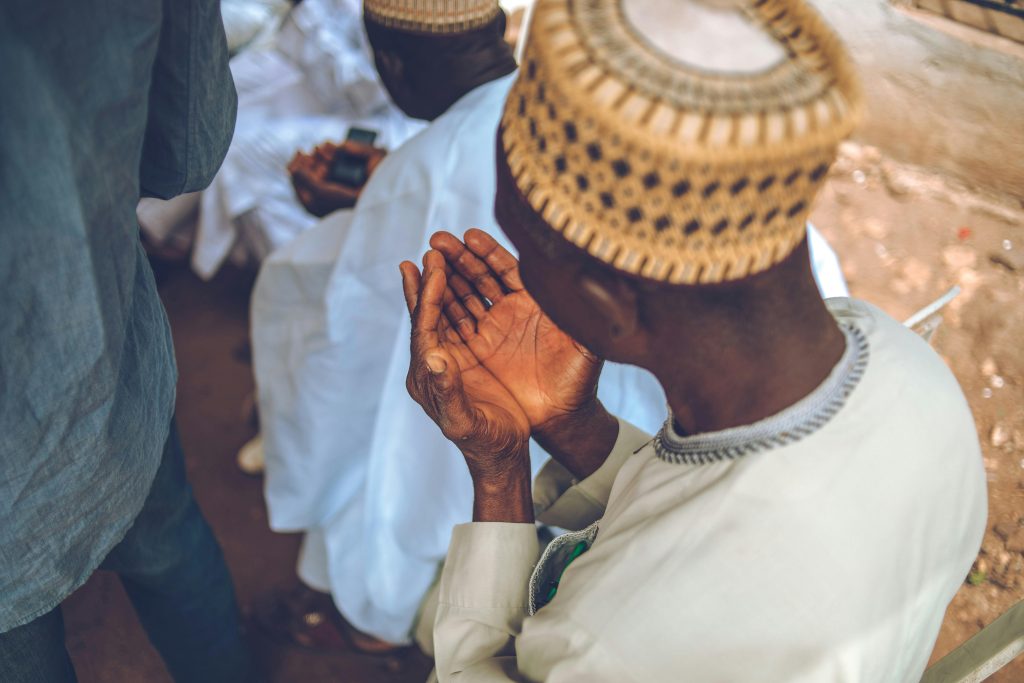
- Northern Nigeria: People here are mostly Muslims, especially in states like Kogi, Kano, Sokoto, Borno, and Katsina. They are more resistant to modern dating methods, such as dating apps. They are Islamic because of their Islamic teachings, which strongly influence their relationships.
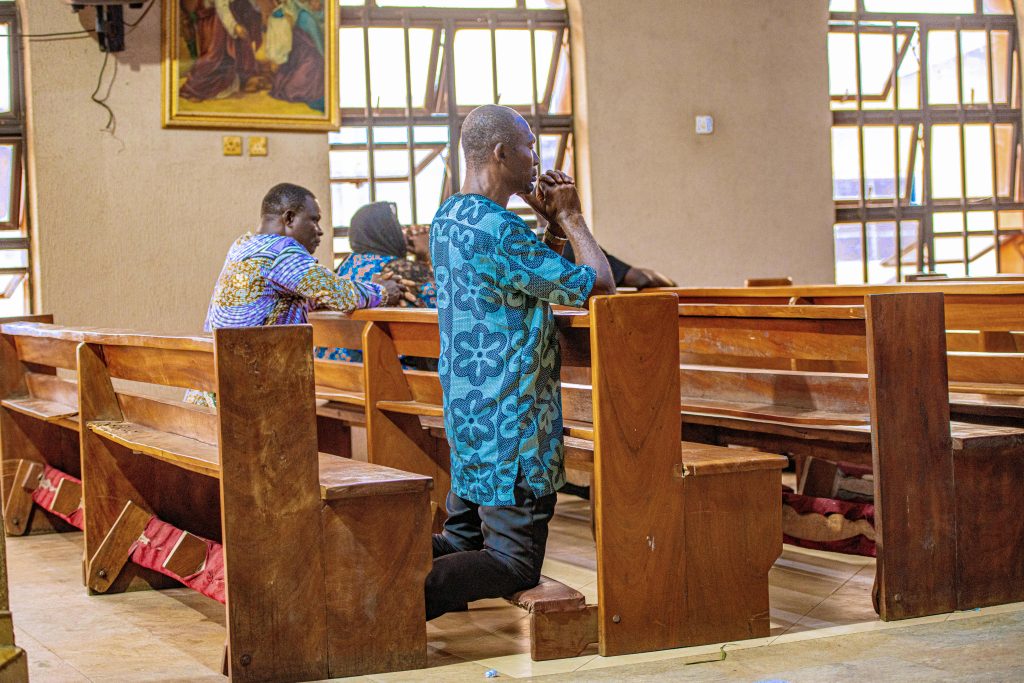
- Southern Nigeria is more religiously diverse, with a strong Christian presence in Cross River, Lagos, Enugu, Port Harcourt, and Akwa-Ibom. While the people are still traditional, they seem more willing to try more modern lifestyles, like using dating apps.
What this means:
In the North, dating is often discreet and conducted under family supervision with the intent of marriage. In the South, dating is more liberal, usually beginning with personal interest and later involving the family.
2. Parental Involvement and Family Approval
Family, particularly parents, plays a significant role in their ward’s relationships that will lead to marriage in both regions, but how early and intensely they get involved differs.
- In the North, dating without parental consent is often frowned upon. Young adults are typically introduced to potential spouses through family or community connections. Courtship can happen in private but with clear intentions and sometimes under the supervision of elders.
- In the South, young people may date more freely, with families getting involved later, typically when the relationship becomes serious or marriage is being discussed.
What this means:
If you’re dating someone from the North, expect to meet the family earlier and understand their approval is crucial. In the South, there’s often more time to build the relationship before involving parents.
3. Gender Roles and Expectations
Every family in Nigeria has their traditions. More particularly, families in the North have more pronounced traditional gender roles than those in the South, particularly in how dating and marriage roles are defined.
- Northern culture often emphasizes a more conservative structure. Men are expected to lead, provide, and initiate relationships, while women are expected to be modest and reserved.
- Southern culture is more varied. While some communities are still traditional, urban areas tend to embrace more gender equality in dating, where partners can express interest, communicate freely, and share responsibilities.
What this means:
Based on history, families in the Northern part of Nigeria have no flexibility when it comes to traditional gender roles. They are strict about it and abide by it wholeheartedly. Families in the South, not all, are more flexible and enjoy the freedom of having mutual decision-making.
4. Courtship Rituals and Customs
Traditional courtship customs remain alive in many parts of Nigeria, especially when preparing for marriage.
- In the North, courtship is highly structured. Islamic customs may require separate chaperoned visits, and the bride price (sadaki) is a formal requirement that both families handle delicately and respectfully.
- In the South, customs vary depending on the ethnic group. For instance, the Igbo, Yoruba, and Benin people have rich marriage traditions involving introductions, bride price (dowry), and ceremonial rites. However, dating can be informal and romantic, particularly among younger generations.
What this means:
If you’re courting someone from the North, expect a structured, respectful path toward engagement and marriage. If you’re courting someone from the South, expect traditions mixed with some modern activities, such as exchanging gifts, having open conversations, and more.
5. Public Displays of Affection (PDA)
What counts as acceptable behavior in public varies widely between the regions.
- In Northern Nigeria, discretion is valued most. So, public displays of affection (like hugging, holding hands, or kissing) are often forbidden culturally and religiously.
- While Southern Nigerians also believe in discretion, they are more liberal than their counterparts. They seem more comfortable showing affection publicly but don’t be too liberal. They also have their limits, so it is best not to “overdo” it.
What this means:
If you are courting someone from the North, it will be best to avoid behaviors that are generally frowned upon as a sign of respect to your proposed in-laws. If you are courting someone from the South, you can freely show affection, but know your limit.
6. The Role of Technology and Online Dating
The digital age is changing how Nigerians meet and connect, but adoption varies by region.
- Online dating is increasingly popular in the South, especially in cities like Lagos, Abuja (though centrally located), and Port Harcourt. Young professionals commonly use apps like Tinder, Bumble, and Match Naija.
- In the North, online dating is growing but is still approached with caution. Most families are formed by traditional match-making orchestrated by their parents or the elders in both families. However, they should consider getting help from dating apps. In that case, they use apps for serious daters—apps that cater to the needs of only severe relationships.
What this means:
Tech-savvy dating is more common and socially accepted in the South. In the North, if online dating is used, it’s often used with serious intent and within cultural boundaries.
7. Inter-regional Relationships: Challenges and Bridges
Beautiful things can happen when people from the North and South fall in love—but not without challenges.
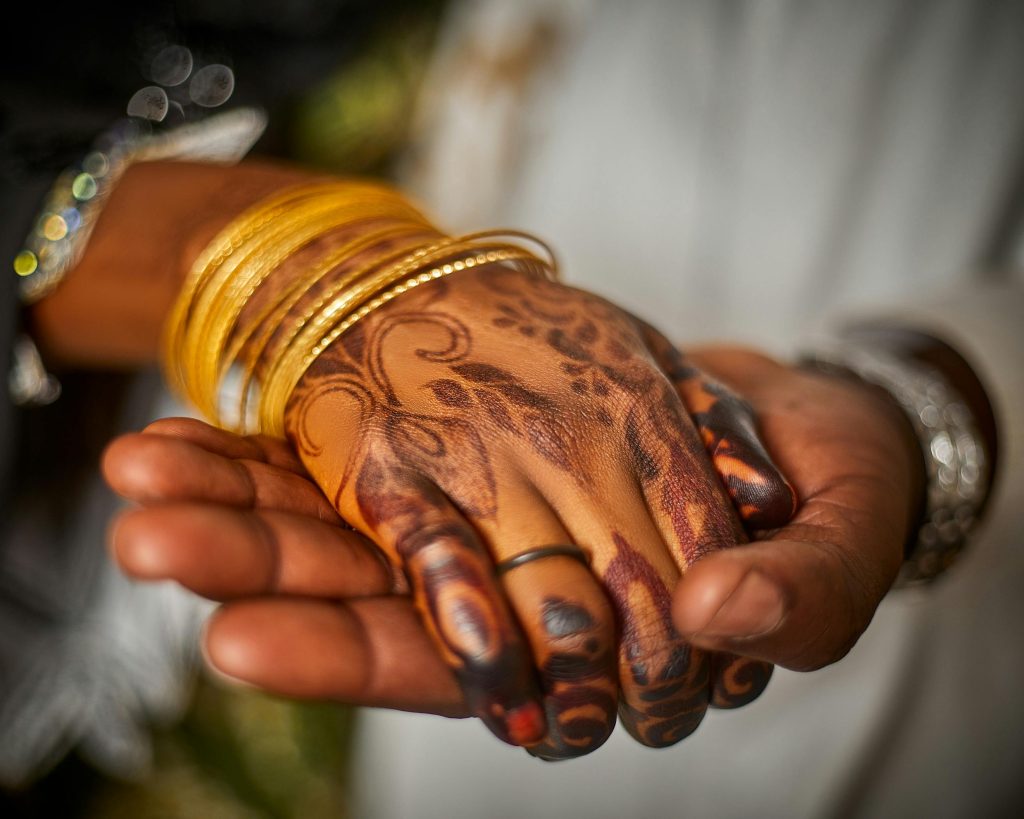
- Religious differences can be a significant hurdle. For example, a Christian from the South dating a Muslim from the North may face pressure from both families, especially regarding conversion, wedding traditions, and child-bearing.
- Cultural practices, like expectations around bride price, family roles, and gender dynamics, may lead to misunderstandings if not openly discussed.
What this means:
Dating someone who does not come from the same background as you can be challenging and rewarding.
Success here largely depends on establishing good communication and learning to compromise with others.
Final Thoughts: Love Across Cultures
Below are some ways to deal with differences that might arise as a result of dating from an unfamiliar custom, whether it is the North or the South
- Understanding each other’s boundaries
- Developing good communication skills
- Having mutual respect for customs and traditions
- Being open-minded and willing to meet in the middle when at a crossroads
Whether from Enugu, Kano, or Lagos, dating in Nigeria is about more than just attraction. It’s about values, respecting culture, and finding someone who accepts you, with or without the same roots.
Looking for someone who understands your background and shares your values? Platforms like Match Naija make it easier to connect with singles who are serious about love, wherever they’re from
Also read: How to Spot a Catfish: Tips for Staying Safe Online
We write rarely, but only the best content.
